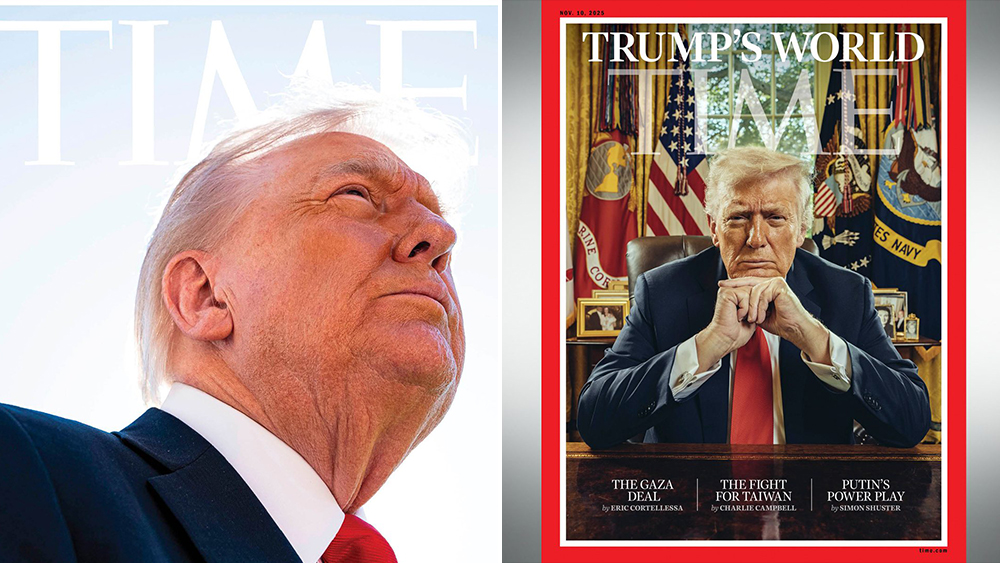
Donald Trump's Time Cover: Hair Flap Overshadows Peace Deal?
In a world often consumed by breaking news and global events, it's rare for a significant geopolitical triumph to be momentarily overshadowed by a seemingly trivial personal detail. Yet, this appears to be precisely what happened with former President Donald Trump and his latest appearance on the iconic Time Magazine cover. While the publication lauded Trump as a peacemaker for his role in brokering a complex Israel-Gaza ceasefire and hostage exchange, the former President's immediate focus wasn't on the weighty implications of the deal, but rather on the perceived unflattering portrayal of his hair in the accompanying photograph. This fascinating juxtaposition begs the question: Did a "hair flap" truly eclipse a potentially historic peace accord?
A Peacemaker's Portrait, or a Photo Flap?
The highly anticipated Time Magazine cover, intended to herald a major diplomatic victory for Donald Trump, presented a striking image. It celebrated his "triumph" in the Israel-Gaza conflict, framing him as "The leader Israel needed" and even contemplating "How Gaza heals." The issue's release coincided with a critical moment: the successful release of 20 living Israeli hostages held by Hamas in Gaza, a direct outcome of the first phase of the peace plan Trump spearheaded. Time's accompanying social media posts underscored the gravity of the situation, noting the exchange of Palestinian prisoners and the potential for the deal to become a "signature achievement of Trump's second term" and a "strategic turning point for the Middle East."
However, the praise from one of the world's most influential magazines was almost instantly overshadowed by Trump's very public critique of the cover photo itself. Taking to his Truth Social platform, a move characteristic of his direct and often unfiltered communication style, Trump expressed profound displeasure. He declared the picture "the Worst of All Time," launching into a detailed complaint about its photographic execution.
The 'Disappearing Hair' Controversy
Trump's specific grievances focused heavily on his coiffure. "They 'disappeared' my hair, and then had something floating on top of my head that looked like a floating crown, but an extremely small one. Really weird!" he wrote. He further criticized the choice of angle, stating, "I never liked taking pictures from underneath angles, but this is a super bad picture, and deserves to be called out. What are they doing, and why?"
This reaction, coming hot on the heels of a significant diplomatic breakthrough, provided a stark reminder of the former president's meticulous attention to his public image and personal brand. For many, it highlighted a perceived disconnect between the magnitude of the achievement being celebrated and the personal aesthetic concern that seemed to take precedence in his initial response. It also illuminated the ongoing tension between media portrayal and a public figure's self-perception.
The Substance Behind the Style: Trump's Peace Plan
Beyond the photographic drama, the actual substance of the Gaza ceasefire deal negotiated under Trump's auspices is genuinely remarkable. Announced on October 8th, the agreement marked a crucial step towards de-escalation in a region often plagued by intractable conflict. The plan stipulated a ceasefire between Israel and Hamas, Israel's withdrawal of troops from most of Gaza, and, most critically, the return of all Israeli hostages held by Hamas – both living and dead.
The successful execution of phase one, culminating in the release of 20 living hostages on October 13th, was a moment of profound relief and hope, especially coming just after the two-year anniversary of Hamas's devastating October 7, 2023, attack that triggered the latest war. This achievement stood out given the numerous previous failed peace proposals, including a similar Biden-era agreement that had collapsed under Trump's previous administration. The deal also involved Israel releasing 250 Palestinian prisoners serving life sentences and an additional 1,700 Gazans detained after October 7, 2023, showcasing the intricate and often painful concessions required for peace.
A Strategic Turning Point for the Middle East?
Time Magazine’s assessment was bold: the deal "could become a signature achievement of Trump's second term, and it could mark a strategic turning point for the Middle East." Such pronouncements reflect the high stakes and profound potential embedded within the agreement. A stable ceasefire and hostage exchange represent more than just a temporary lull in violence; they could lay foundational groundwork for future diplomatic efforts and foster a climate of trust, however fragile.
However, the magazine also wisely cautioned about the inherent fragility of such accords. "While Israel and Hamas have accepted the two-phase agreement, there remains the chance it could unravel," Time warned. Indeed, even in the immediate aftermath, both sides lodged complaints about the other's handling of phase one's rollout, highlighting the deep-seated mistrust and complex political landscape that constantly threaten to derail progress. For anyone interested in the future stability of the region, understanding the nuances and challenges of this Gaza ceasefire deal is crucial.
The Intersection of Politics and Personal Brand
Donald Trump's reaction to the Time Magazine cover photo, prioritizing a critique of his appearance over an acknowledgment of the diplomatic success it heralded, offers a fascinating case study in modern political communication and personal branding. For a figure like Trump, who has meticulously cultivated a specific public persona, visual representation is not a minor detail but a critical component of his brand identity. His hair, in particular, has long been a subject of public fascination and scrutiny, making any perceived misrepresentation a direct challenge to his carefully constructed image.
In contemporary politics, where media saturation is constant, the control of one's image is often seen as paramount. A powerful figure might feel that an unflattering photograph undermines their authority or detracts from the message they wish to convey. Trump's immediate and vocal disapproval can be interpreted not merely as vanity, but as an attempt to assert control over the narrative and push back against what he might perceive as a deliberate slight or an accidental misstep by the media. It forces a conversation not just about the event, but about *how* the event is presented, thereby shifting the focus, however briefly, back to his preferred framing.
Media Scrutiny and Public Perception
Such reactions inevitably influence public discourse. While some might view it as a distraction from vital issues, others might see it as Trump's authenticity, speaking his mind regardless of the context. Media outlets, in turn, are faced with the decision of how to cover such dual narratives – the significant policy achievement versus the personal grievance. The public, exposed to both, forms its own conclusions about the priorities and character of the political figure in question. This dynamic underscores the complex interplay between politics, personality, and media in shaping public perception.
Beyond the Headlines: The Future of the Peace Accord
While the "hair flap" certainly captured headlines, the enduring significance of the Israel-Gaza peace plan far outweighs any photographic disagreement. The agreement, forged through intense negotiations, represents a glimmer of hope in a region desperately needing stability. The success of phase one, with the release of hostages and prisoners, demonstrates the viability of diplomatic solutions even in the most entrenched conflicts.
However, the path ahead remains fraught with challenges. The long-term durability of the ceasefire will depend on the commitment of all parties, ongoing international support, and careful management of inevitable disagreements. For the region to truly heal and move towards a lasting peace, consistent dialogue, adherence to agreed-upon terms, and a willingness to overcome historical grievances will be essential. The world will be watching to see if this Gaza ceasefire deal can indeed evolve from a temporary truce into a true strategic turning point.
In conclusion, the story of Donald Trump's Time Magazine cover offers a unique lens into the intricate world of high-stakes diplomacy and modern political communication. It illustrates how a monumental foreign policy achievement can momentarily intertwine with, and even be eclipsed by, concerns over personal image. Ultimately, while the "Worst of All Time" photo critique provided a curious aside, the potential for an "Everlasting Peace" in the Middle East, as celebrated by the Time Magazine cover, remains the more profound and historically significant narrative in the ongoing saga of Donald Trump's impact on global affairs.