Time Magazine's Praise for Trump's Gaza Triumph: A Diplomatic Milestone Meets a Media Melee
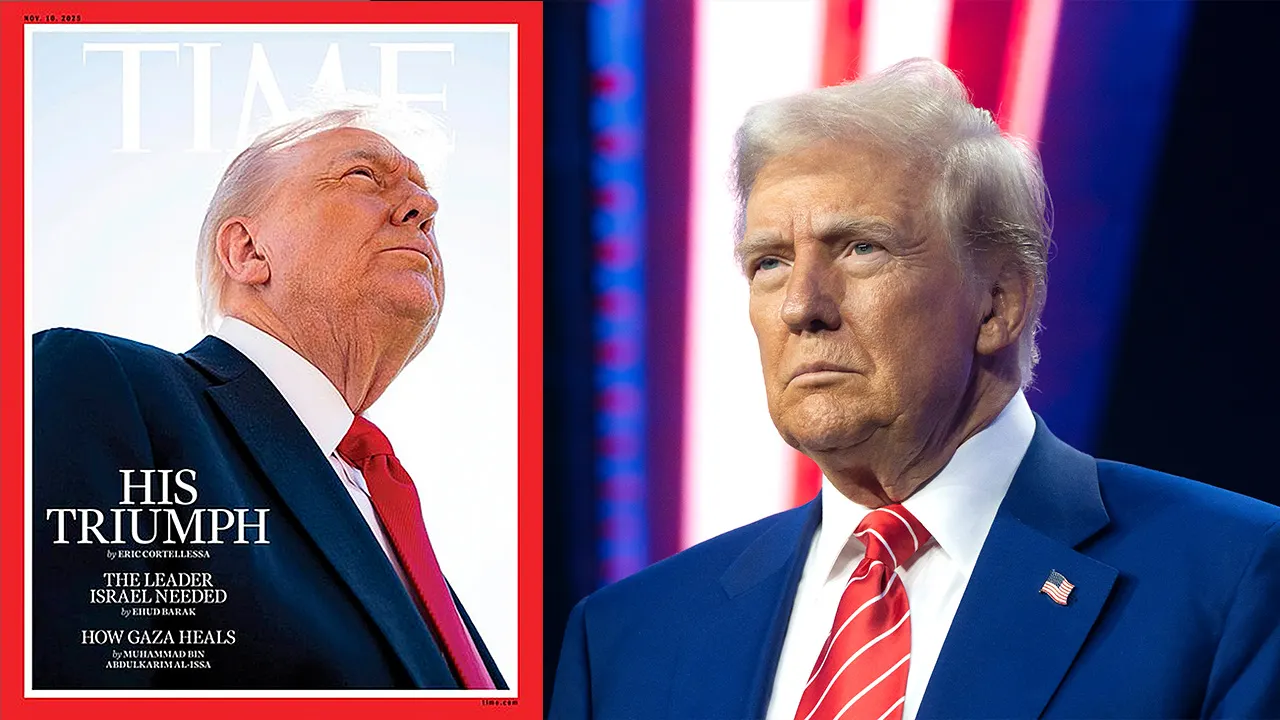
In a striking turn of events that captured global attention, former President Donald Trump recently found himself at the center of a paradoxical media storm. Time Magazine, a publication synonymous with documenting influential figures and historic moments, dedicated its latest cover to lauding Trump's pivotal role in brokering a critical Israel-Gaza ceasefire and a subsequent hostage exchange. The magazine hailed it as a monumental "triumph," suggesting it could be a defining achievement of his political career. Yet, in a quintessentially Trumpian response, the former president's focus was not on the diplomatic accolades, but on the accompanying photograph – a picture he controversially labeled the "Worst of All Time" for purportedly "disappearing" his hair. This unusual juxtaposition of high-stakes diplomacy and personal aesthetic critique offers a fascinating glimpse into the interplay of statesmanship, celebrity, and the ever-present scrutiny of the media lens, particularly when it involves a figure as image-conscious as Trump.
The Gaza Peace Deal: A Historic Breakthrough or Fragile Truce?
The diplomatic achievement celebrated by Time Magazine marked a significant development in the volatile Israel-Gaza conflict. On October 8, Trump announced a breakthrough: a ceasefire agreement between Israel and Hamas, coupled with a two-phase plan for Israel to withdraw troops from most of Gaza and for Hamas to release all Israeli hostages, both living and deceased. This agreement culminated in the emotional release of 20 living Israeli hostages on the morning of October 13, a moment of profound relief that followed closely on the two-year anniversary of Hamas' devastating October 7, 2023, attack, which had reignited the latest conflict.
Time's glowing portrayal underscored the deal's potential as a "signature achievement" for Trump, especially considering the numerous failed peace proposals in the region, including a similar Biden-era agreement that had previously collapsed. The magazine's Instagram post accompanying the cover elaborated on the multifaceted deal, stating, "The living Israeli hostages held in Gaza have been freed under the first phase of Donald Trump's peace plan. And as part of the deal, Israel released 250 Palestinian prisoners serving life sentences and an additional 1,700 Gazans detained after Oct. 7, 2023." Such a comprehensive exchange, if sustained, genuinely marks a strategic turning point for the Middle East, offering a glimmer of hope in a region long plagued by conflict.
However, the path to lasting peace is rarely smooth. Even as Time celebrated the triumph, it included a cautious note: "While Israel and Hamas have accepted the two-phase agreement, there remains the chance it could unravel." Indeed, early signs of fragility emerged, with both sides lodging complaints about the rollout of phase one. Despite these initial frictions, the agreement continued to hold in the immediate aftermath, prompting crucial questions about its long-term viability and whether this Gaza Ceasefire Deal: Is Trump's Plan a Middle East Turning Point? It's a testament to the complexities of the region that even a celebrated diplomatic win comes with an inherent warning of potential reversal.
The "Worst of All Time": Trump's Outrage Over His Time Magazine Cover Photo
Amidst the commendations for his peacemaking efforts, Donald Trump's attention was firmly fixed elsewhere: on the visual representation of his "triumph." Taking to Truth Social, his own social media platform, Trump unleashed a torrent of criticism against the Time Magazine Cover Trump. He wrote, "They 'disappeared' my hair, and then had something floating on top of my head that looked like a floating crown, but an extremely small one. Really weird!" He continued his scathing review, adding, "I never liked taking pictures from underneath angles, but this is a super bad picture, and deserves to be called out. What are they doing, and why?"
The photo in question, featured on the cover of the upcoming November 10 issue, depicted Trump from a low angle, with the sun creating a "halo effect" where his distinctive hair seemed to blend into the light. The cover itself was emblazoned with three declarative titles: "His triumph," "The leader Israel needed," and "How Gaza heals." While the textual content glorified his achievement, Trump's palpable displeasure with his visual portrayal seemed to overshadow the diplomatic victory, at least in his public commentary. This episode underscores Trump's well-documented meticulousness about his public image, often prioritizing aesthetic control over the message itself.
Beyond the Hair: A Strategic Distraction or Genuine Displeasure?
Trump's immediate and vociferous reaction to the Time cover photo raises a fascinating question: was this a genuine expression of annoyance, or a calculated maneuver to control the narrative? For a figure who has consistently leveraged media attention, even negative, to his advantage, diverting focus from the intricacies of a complex peace deal to a more personal, relatable gripe about a "bad picture" could serve multiple purposes. It plays into his persona as someone unafraid to challenge established institutions, even when they praise him, and it re-centers the conversation around his personal brand.
Political analysis often highlights how public figures manage their image, and Trump's approach is unique. His complaints about the photo, while seemingly trivial to some, resonate with a segment of his base who perceive him as an authentic voice unafraid to speak his mind, even on seemingly superficial matters. This emphasis on appearance over policy can be a powerful tool for deflection, potentially shielding the complexities and inherent fragilities of the peace deal from intense scrutiny. Indeed, this instance quickly prompted discussions: did the Donald Trump's Time Cover: Hair Flap Overshadows Peace Deal? For many, it undoubtedly shifted the immediate conversation, highlighting the potent and often unpredictable interplay between high-level diplomacy and the highly personal nature of political celebrity.
The Enduring Legacy: Policy, Personality, and the Media Lens
The incident surrounding the Time Magazine Cover Trump serves as a microcosm of modern political discourse. On one hand, it showcased a significant diplomatic achievement, born from intricate negotiations and carrying the weight of geopolitical consequence. Trump’s role in securing the initial phase of the ceasefire and hostage exchange was substantial, leading to a much-needed moment of de-escalation in a region fraught with tension. His subsequent speech to the Knesset in Jerusalem and meetings with world leaders in Egypt further solidified the perception of a leader engaged in high-stakes international diplomacy.
On the other hand, it vividly illustrated the indelible mark of personality on politics. For Donald Trump, the visual presentation of his accomplishments is as critical as the accomplishments themselves. His focus on his "disappeared" hair, rather than the intricate details of Middle Eastern geopolitics, underscores his unique approach to public relations. It demonstrates how a politician's personal brand can, at times, overshadow even the most critical policy achievements, shaping public perception in unexpected ways. The ongoing saga of the Gaza ceasefire, even with its initial successes, remains a delicate balancing act, prone to the same unpredictable forces that govern media narratives.
Ultimately, the saga of the Time Magazine cover and Trump's reaction encapsulates a fascinating duality: the immense gravity of international peacemaking intertwined with the often-superficial battles of public image. While the world grappled with the implications of a potentially transformative Middle East peace deal, the former president ensured that the aesthetic quality of his cover photo also commanded headlines. This convergence of high diplomacy and personal grievance offers enduring insights into the complexities of leadership in the digital age, where every image, every comment, and every perceived slight can become part of a larger, ever-evolving narrative, defining both policy and personality in the public consciousness.